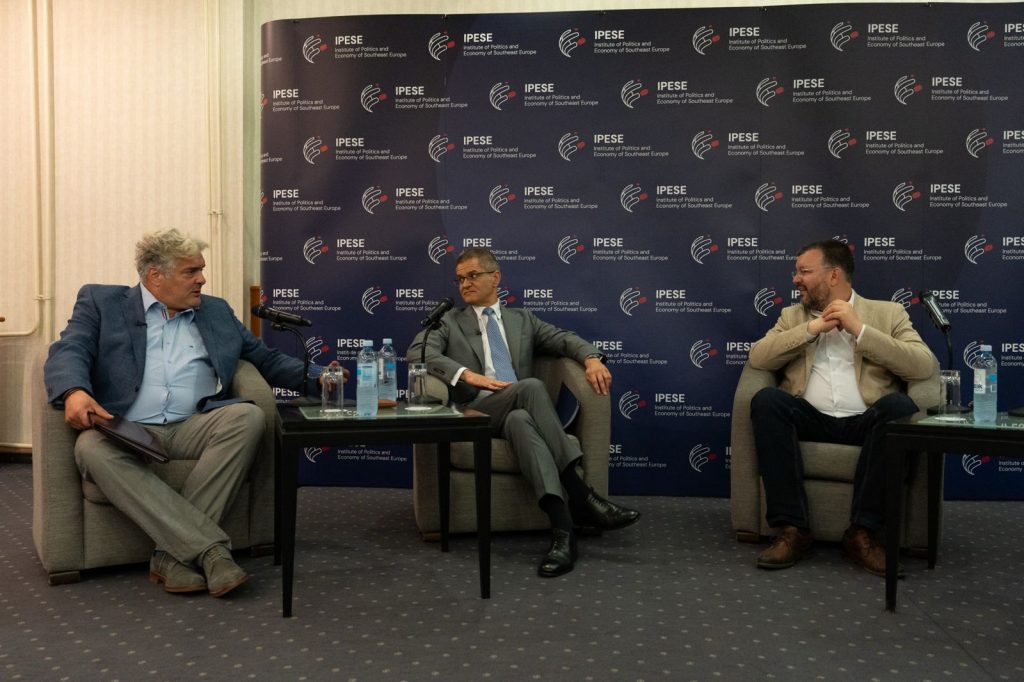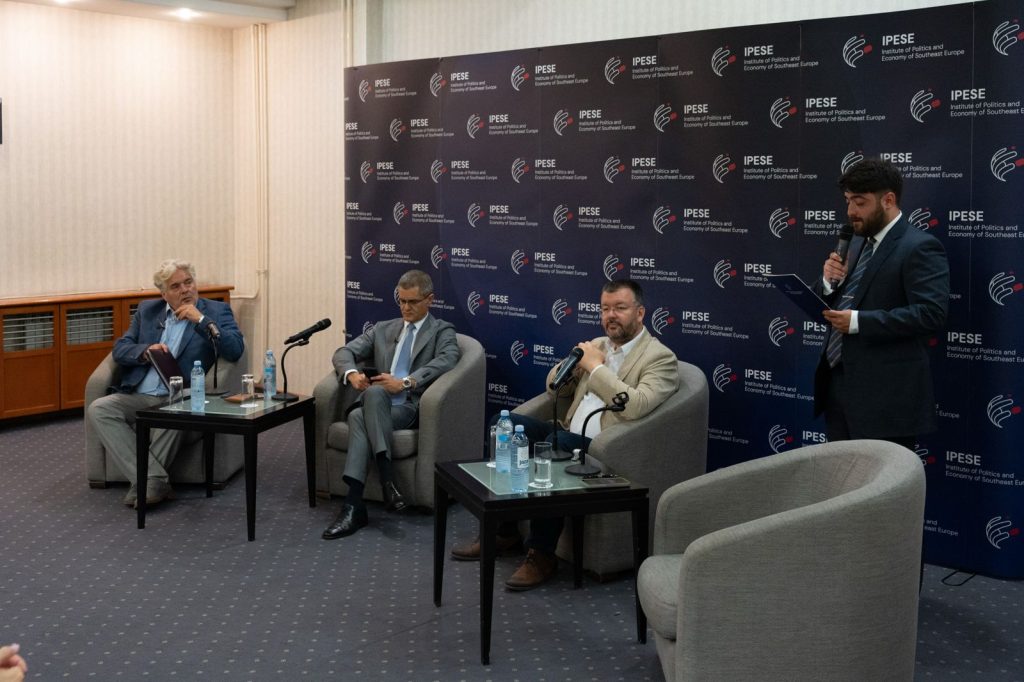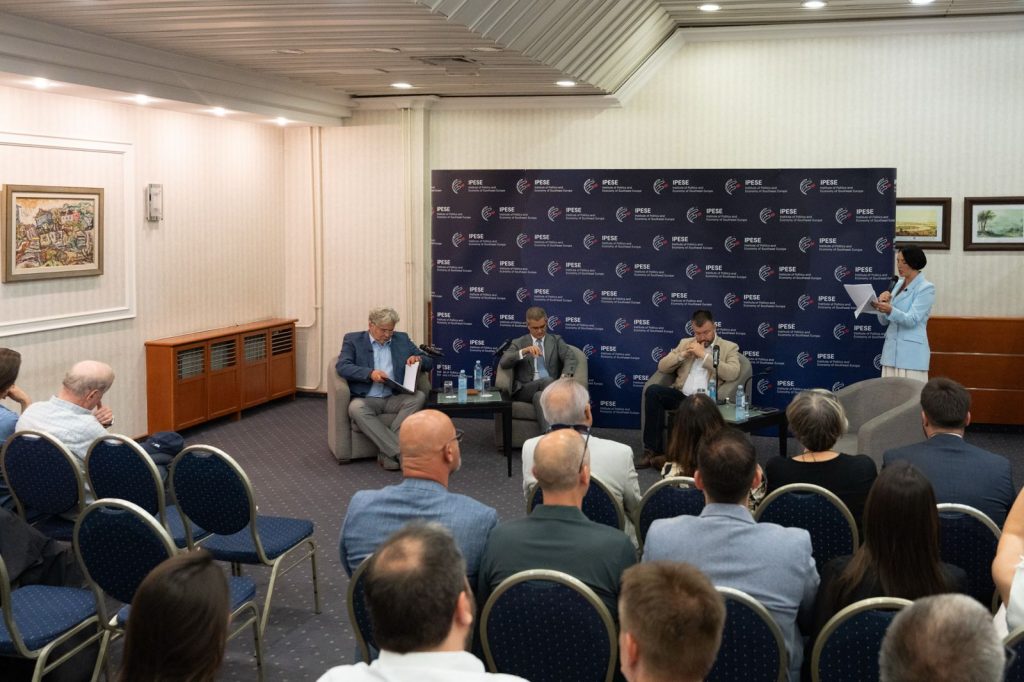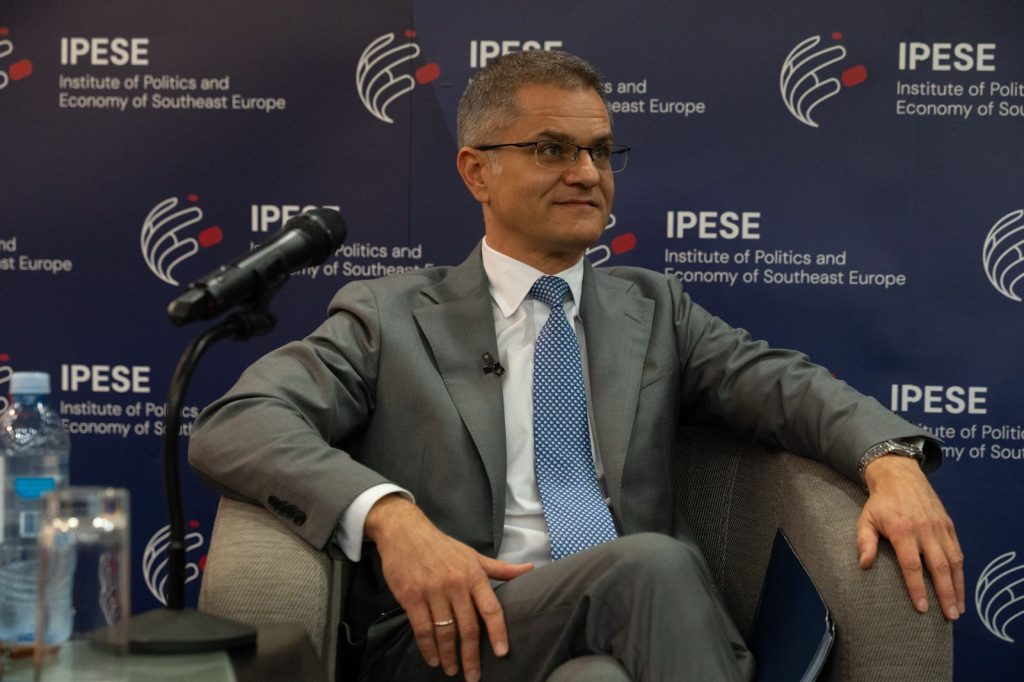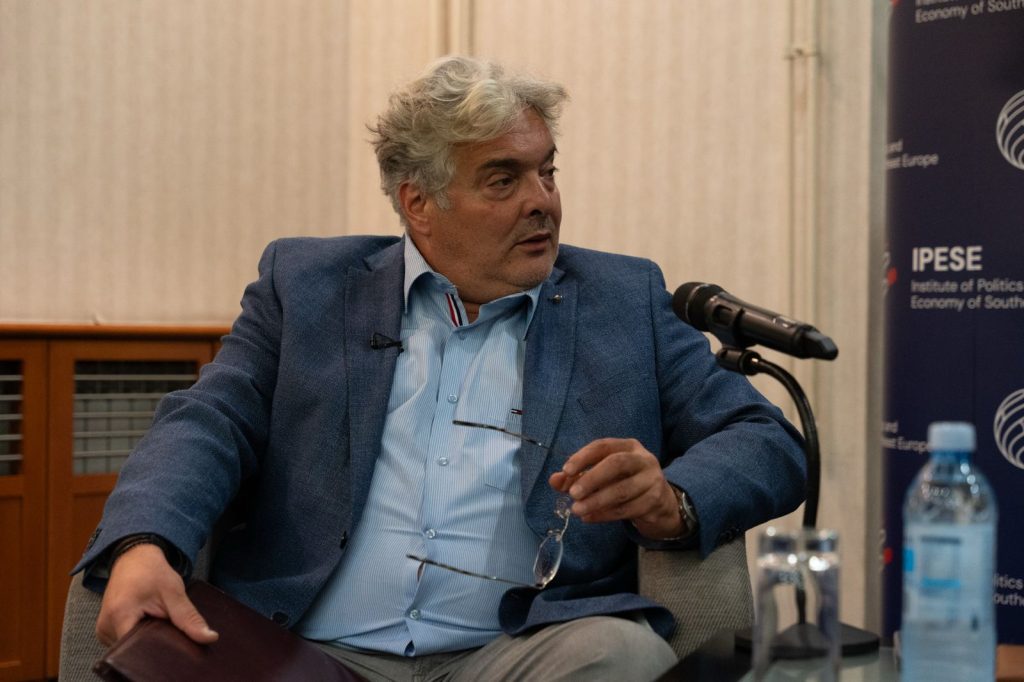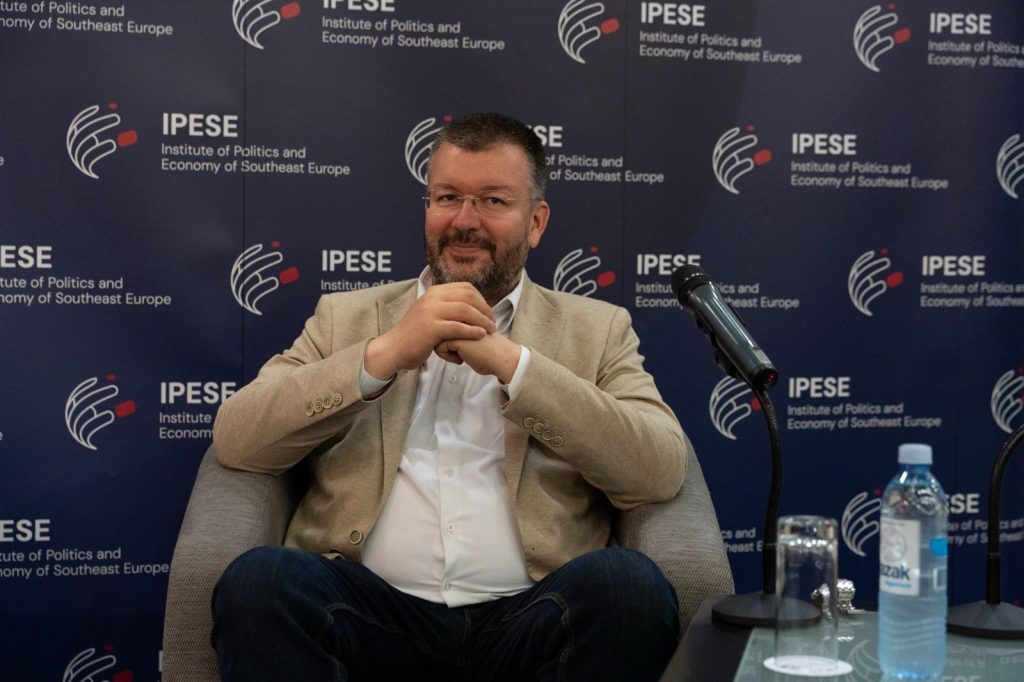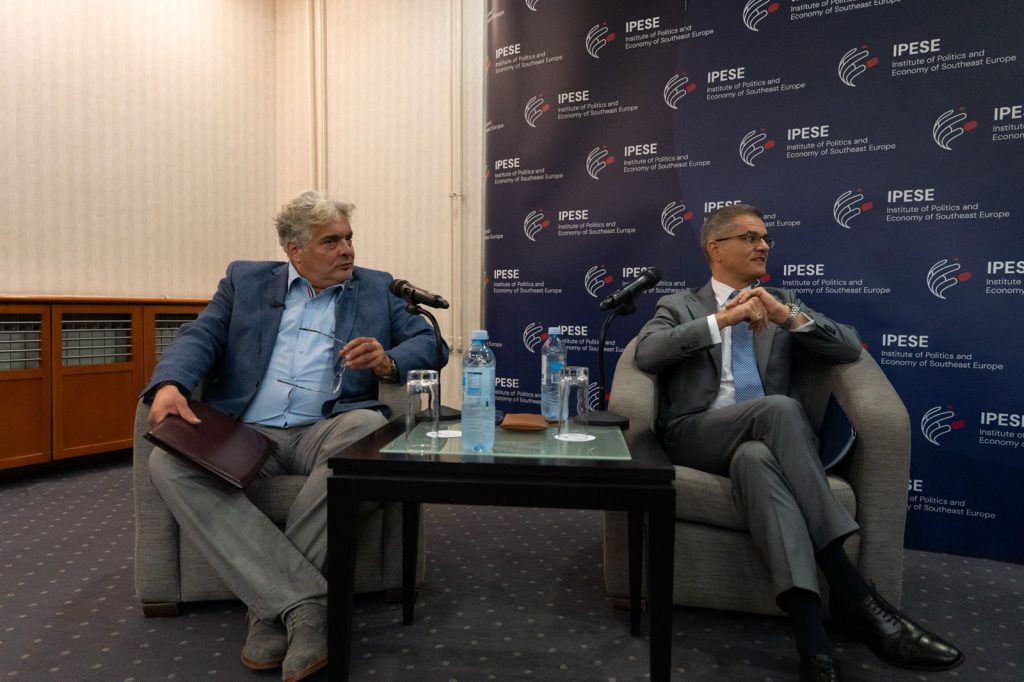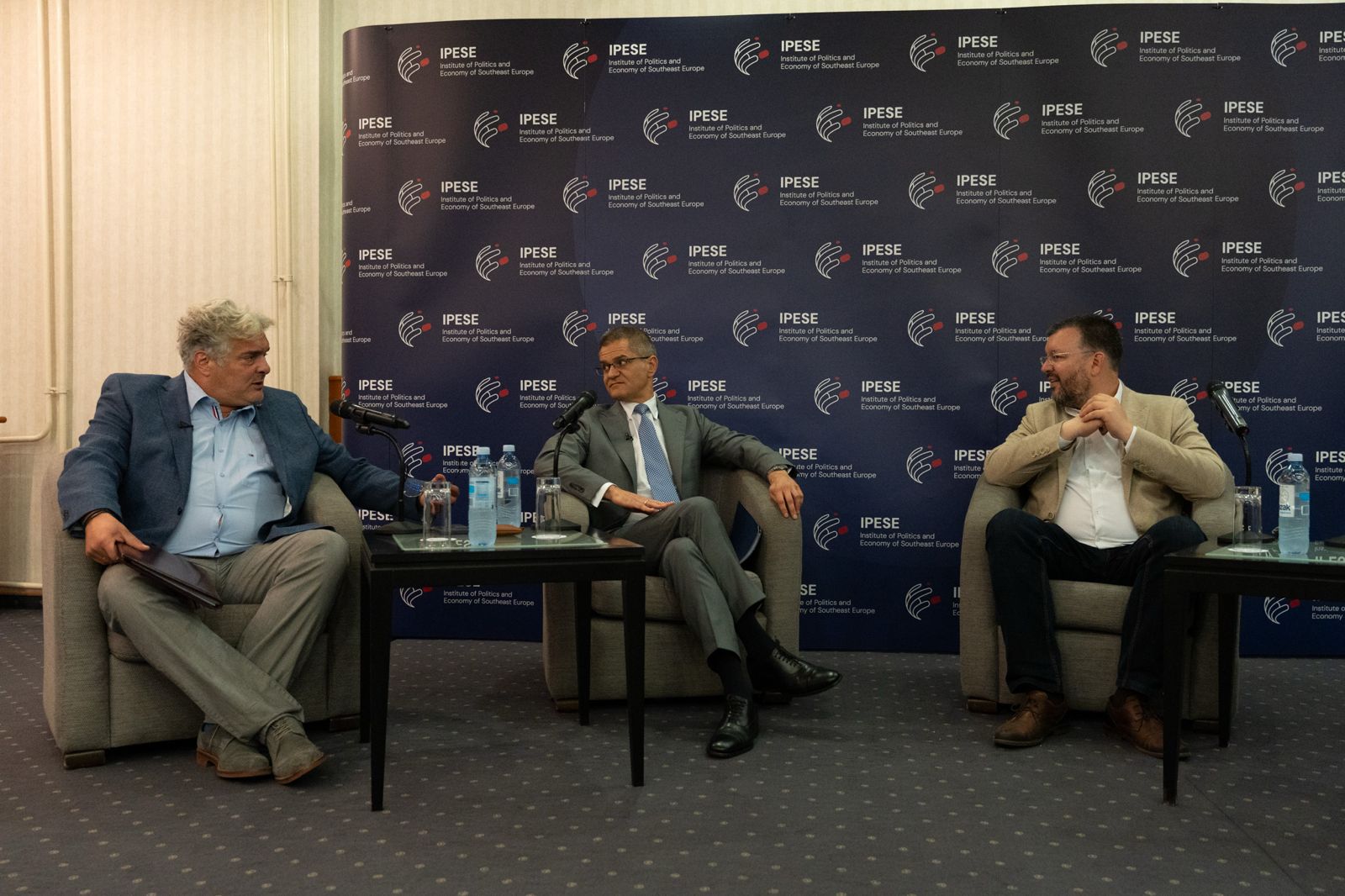
Today, a panel discussion titled “Resolution 1244 – The International Framework, Regional Stability, and the Future of Kosovo and Metohija” was held in Belgrade, organized by the Institute for Politics and Economics of Southeast Europe (IPESE). Participants analyzed the significance of United Nations Security Council Resolution 1244, its impact on Serbia’s position, and the future of Kosovo and Metohija.
The aim of the panel, held on the anniversary of the adoption of Resolution 1244, was to examine its importance under international law, its role in preserving Serbia’s territorial integrity, and its contribution to regional stability and future political processes concerning Kosovo and Metohija.
Historian and professor at the Faculty of Philosophy of the University of Belgrade, Čedomir Antić, stated that Serbia currently has no better international framework than Resolution 1244 when it comes to protecting its interests in Kosovo and Metohija. He emphasized that, despite its numerous shortcomings, the document remains Serbia’s most important legal pillar in international relations.
Speaking about the circumstances preceding its adoption, Antić noted that the Kumanovo Agreement was signed under intense pressure and threats of further escalation of the conflict. According to him, the Serbian leadership at the time had very limited room for alternative decisions, and Serbia’s policy today still relies to a significant extent on the outcomes achieved during that period.
Vladimir Gajić, president of the National Party and a legal expert, assessed that Resolution 1244 represented the maximum that Serbia could achieve under the international circumstances of the time. He stressed that several provisions of the resolution reaffirm the territorial integrity of the then Federal Republic of Yugoslavia, whose legal successor is the Republic of Serbia.
Gajić also recalled the unsuccessful attempts to invalidate Resolution 1244 through the Ahtisaari Plan, noting that the rejection of the plan by the National Assembly of Serbia and the veto of the Russian Federation enabled the resolution to remain in force.
Former Serbian Foreign Minister Vuk Jeremić emphasized that Resolution 1244, despite certain shortcomings, strengthened Serbia’s international position following Kosovo’s unilateral declaration of independence. He argued that generations of Serbian diplomats have built their case against the international recognition of Kosovo on the provisions of this document.
Jeremić stressed that the majority of United Nations member states still have not recognized Kosovo as an independent state, which, he said, confirms that Resolution 1244 remains an important diplomatic and legal instrument for Serbia within the existing international order.
The panel participants agreed that, despite changes in international relations over the past decades, Resolution 1244 remains the most important legal and diplomatic framework upon which Serbia can rely in safeguarding its sovereignty and territorial integrity in Kosovo and Metohija.